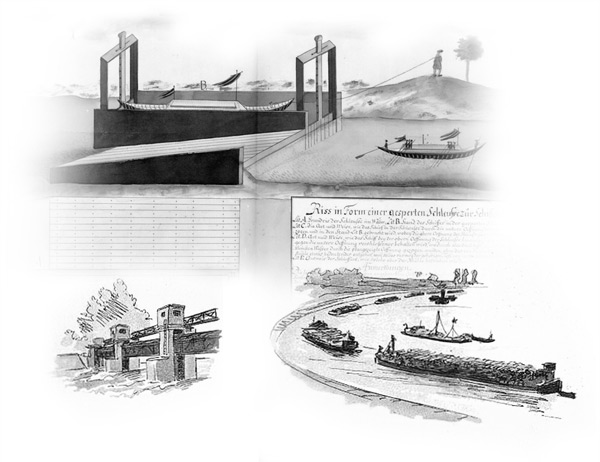
The first lock on the Morava river in Rohatec
On 28–30 July 2017, revision research into the Morava riverbed was conducted; the reason for this was an information by Eng. Neset, CSc., who has been dealing with historical waterways on a long-term basis, about possible existence of a waterwork (lock) in the unregulated section of the river. The research was to verify the situation, and to detect and document archaeological aspects in the river.
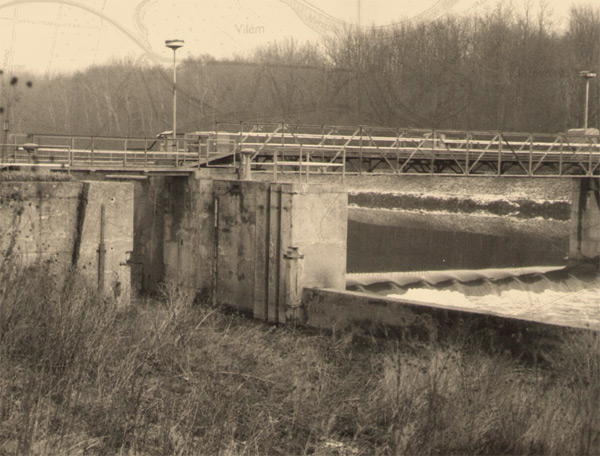
The found remnants of a waterwork could be most probably considered to be a lock from the year 1722, which originally consisted of a lock with chamber and a weir. Taking into account the character of the research, which was conducted at no cost, the dating could not be confirmed by dendrochronological method due to the lack of funds.
Written reports indicate that a monoxylon is supposed to have been found in the hinterland of the village of Rohatec. This monoxylon is said to have been pulled out from the river in the first half of the 20th century.
The lock from the year 1722 is known from written sources not only as part of the existing watermill but also as part of the planned waterway Danube – Oder – Elbe. The lock in Rohatec, built by Oberstwachmeister Herbert von Linck from the stronghold in Uherské Hradiště, became the oldest waterwork of this type in the Czech Republic. From that time, the Morava and the Odra rivers were navigable for small vessels with tonnage of 10 tons.
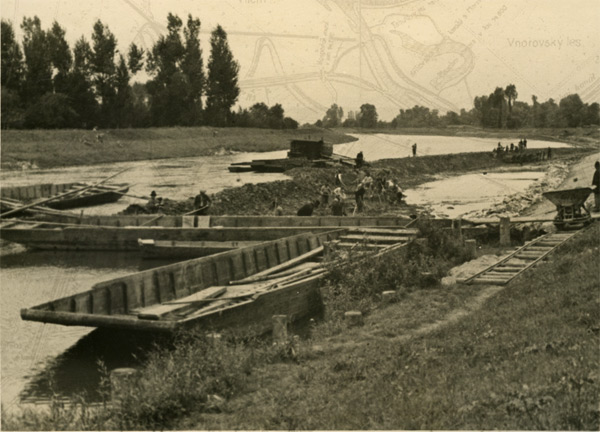
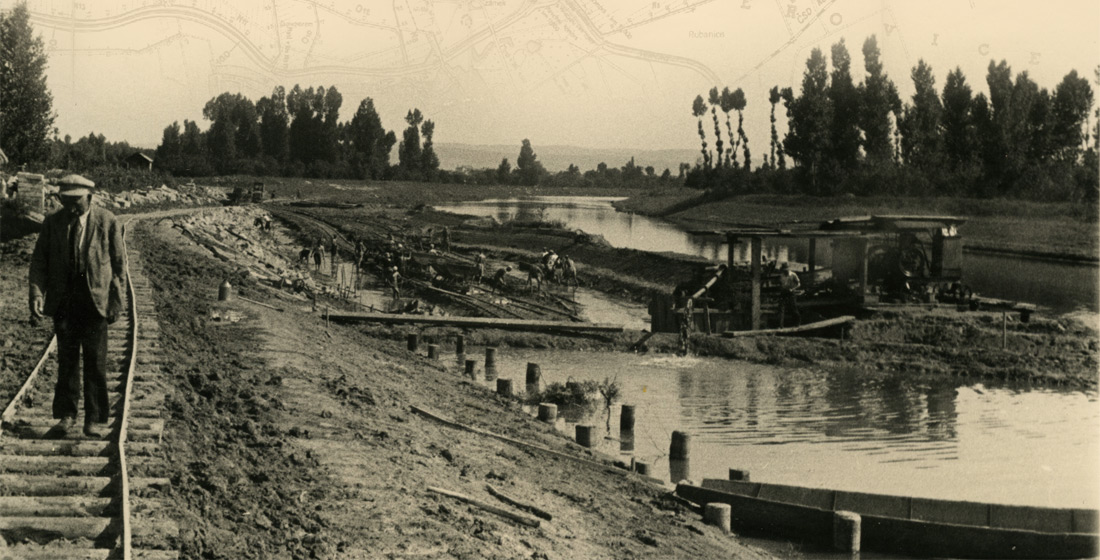
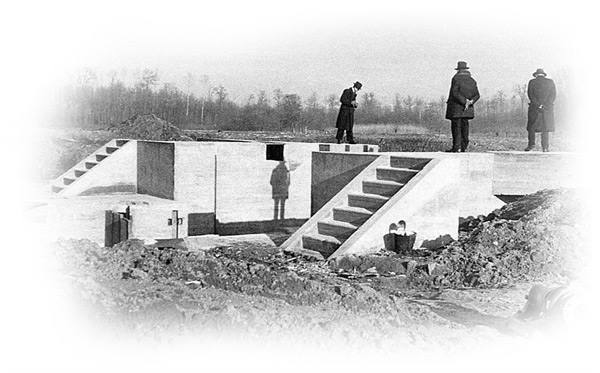
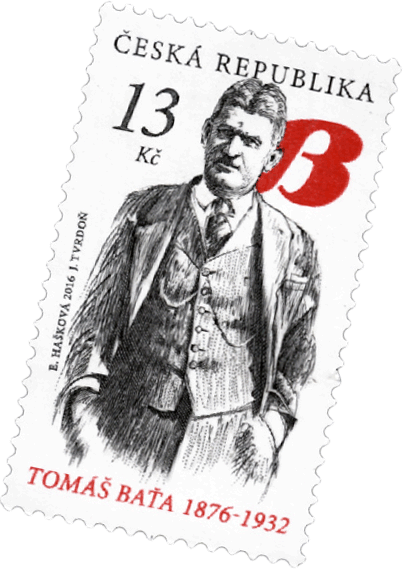
Start of Baťa canal construction
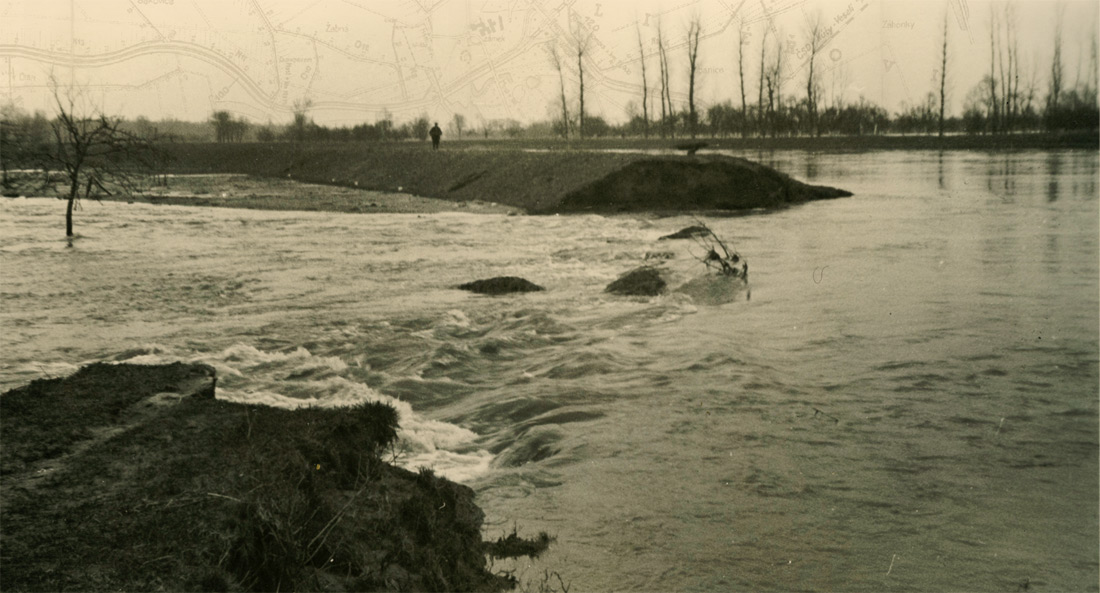
The construction started on 16 October 1934 with the condition that the vessel traffic on this canal can be limited or even stopped when the construction of the Danube – Oder – Canal is started. The total budget for the construction was estimated for 25.4 million Czech crowns. Over time, the budget increased to 35 million Czech crowns; this increase was caused, among other things, by the flood in 1937, which damaged the unfinished construction. All the works were finished in autumn 1938.
The construction was demanding also from the organizational point of view – the Land Moravia-Silesia agreed upon with the Bata Company that the Land will be responsible for the delivery of plans and realization of earthworks and concrete structures, and the Bata Company will be responsible for the delivery of plans and all metal structures for locks, bridges, and weirs.
As it turned out during the construction, several locks had to be moved (they were located in old meanders on the Morava river and the complicated construction of the foundation would significantly increase the costs), in some other places aggressive sulphur-containing waters were found etc. Many problems appeared at coordination — the Bata Company was expected to deliver, in advance, drawings for the attachment of metal products, sometimes deliveries of metal structures were delayed — shortly, problems appeared as whenever a construction is built by two investors. During the construction, a lot of changes had to be implemented — the irrigation section was adapted to local conditions in a better way, several canal sections were placed at different heights in comparison with original plans, which led to a lower amount of earthworks and cost savings. The Bata Company also kept looking for further ways how to decrease the costs for navigable sections, and it was not afraid of unusual solutions.
Bata canal construction
In the southern part of the factory premises, on the side of the Dřevnice River, a landing place, 100 meters long and 18 meters wide, was built in which up to eight vessels, 40 meters long, could anchor. At the landing place also a lock with chamber was built and a short and wide arm with a slipway on slightly sloping-down bank was excavated. The rails from the slipway led to a high workshop which bore a sign “Shipyard”, unusual for Otrokovice. The manager of the Bata Works engineering plant charged his technicians and Mr. Bartek, chief of engineering plants in Baťov, to design a freight boat with loading capacity of 150 tonnes. The boat was constructed during four months and it was launched on 3 March 1938. Altogether twenty locksmiths under the leadership of Mr. Křivák worked on it.
The first half of 1938 was marked by finishing works. In spring months, a new Morava riverbed was broken through in an interesting way in Babice. On the lowland called “Štěpnice”, the old riverbed with its deep bend hollowed out by floods got alarmingly close to the canal, and there was a danger of its rupture. The hitherto river bend had to be removed by transferring it to the newly regulated riverbed, which was 350 metres long and 84 metres wide.
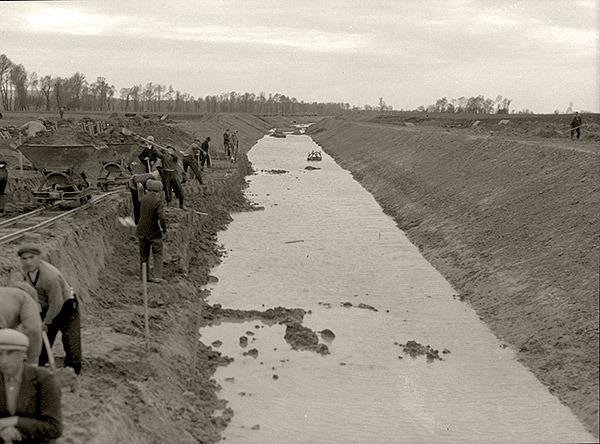
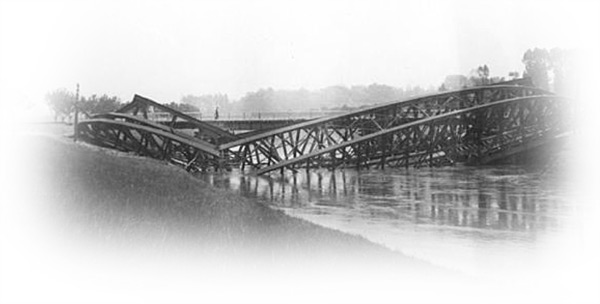
Destruction of bridges, locks, and weirs by retreating German forces
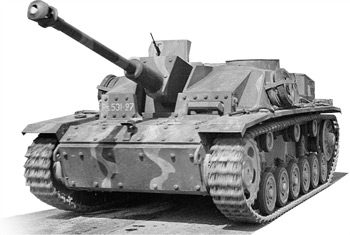
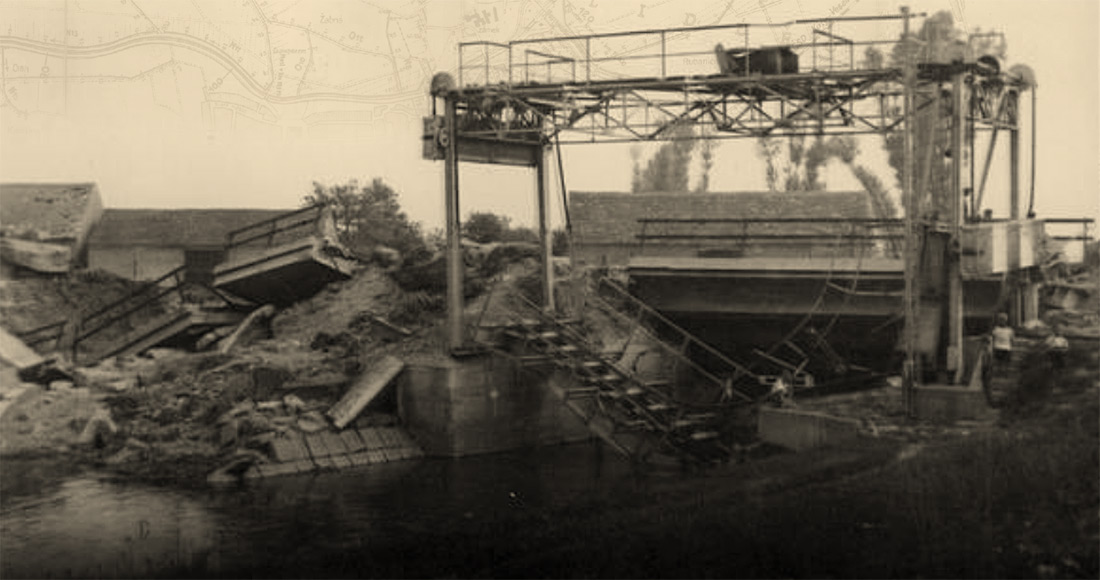
The first large repairs had to be done after the Second World War because the retreating German army destroyed all canal bridges, they sank boats and damaged weirs (the weir in Spytihněv was totally destroyed).
The war years seriously affected the waterway Otrokovice – Rohatec. The damage exceeded 10 million Czech crowns. The repairs started in 1946, and although the struggle was to manage everything by the summer, works on canal reconstruction still continued in 1947. The planned connection to Zlín again became a discussed topic.
The change of political situation and the first ideas to renew the navigation canal
The year 1989 was a year of the Velvet Revolution. A year of essential changes in the political situation in the then Czechoslovakia. It was also a period when projects, which would not have had any chance to be realized in the Socialist regime, were taken out from many drawers.
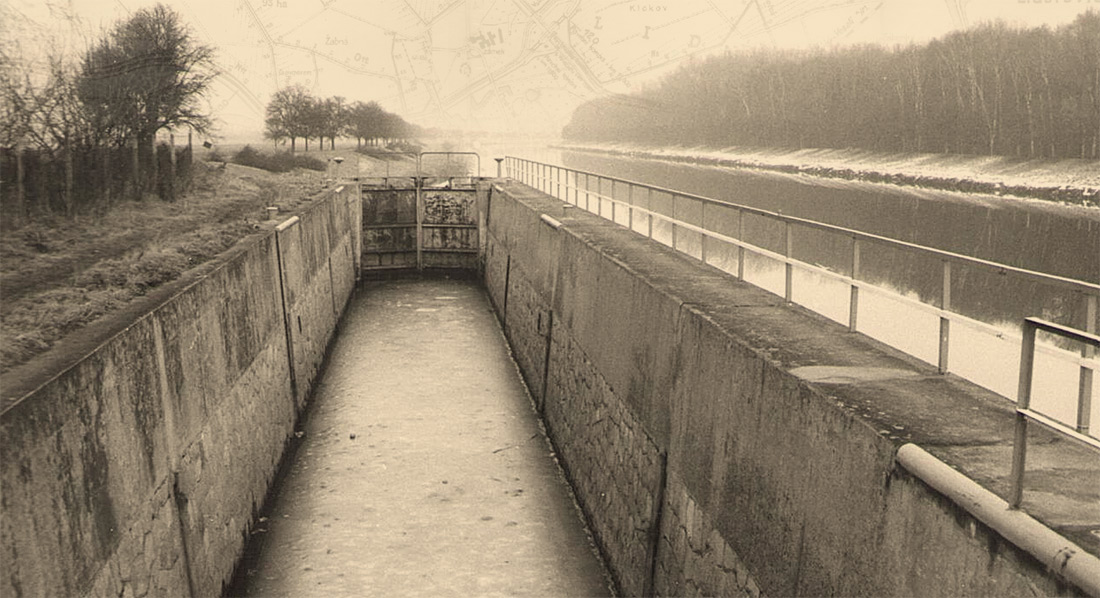
One of the projects, which was brushed up and which is almost one hundred years old, was the project of a large navigable (for freight ships) Danube-Oder-Elbe-Canal. Or it is enough, for the beginning, to repair just one old shipping canal from the 1930s, which is 53 km long and whose capacity is sufficient for a 150-ton freight boat? The canal addressed herein is the Otrokovice – Rohatec canal, commonly called the “Baťa Canal”. Its condition, however, was dismal in 1989 and the repair would be very costly. Who will pay for it? And will there ever be anybody who will be ready to use this waterway?
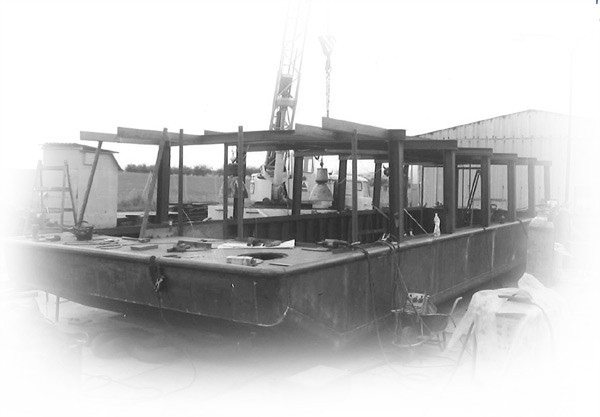
Construction of the landing place in Veselí nad Moravou and of the ship Danaj
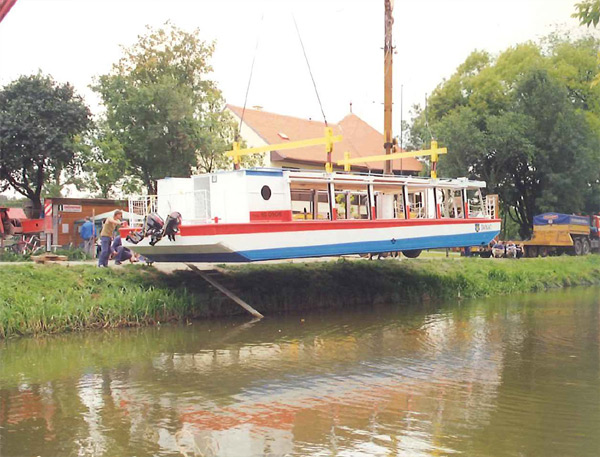
The project Veselí nad Moravou – Strážnice – Skalica – a cross-border tourist incubator, which was part of the CREDO programme, focussed on the pilot support to infrastructure that would, in a way attractive for tourists, interconnect all the three cities in a new tourist programme.
The landing place in Veselí nad Moravou was built, the ship called DANAJ with sufficient capacity for 60 people (she can currently transport 105 people) was constructed, and supplementary service networks (bike hire-offices in Strážnice and in Skalica) were created. The project also included an advertising campaign, a new reservation system, and training for human resources.
Tomáš Baťa junior opens the last reconstructed lock in Petrov
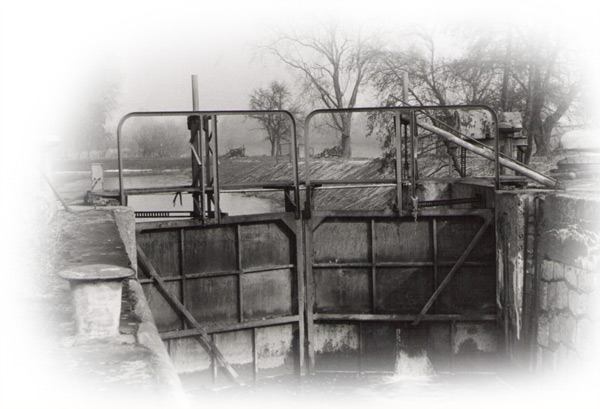
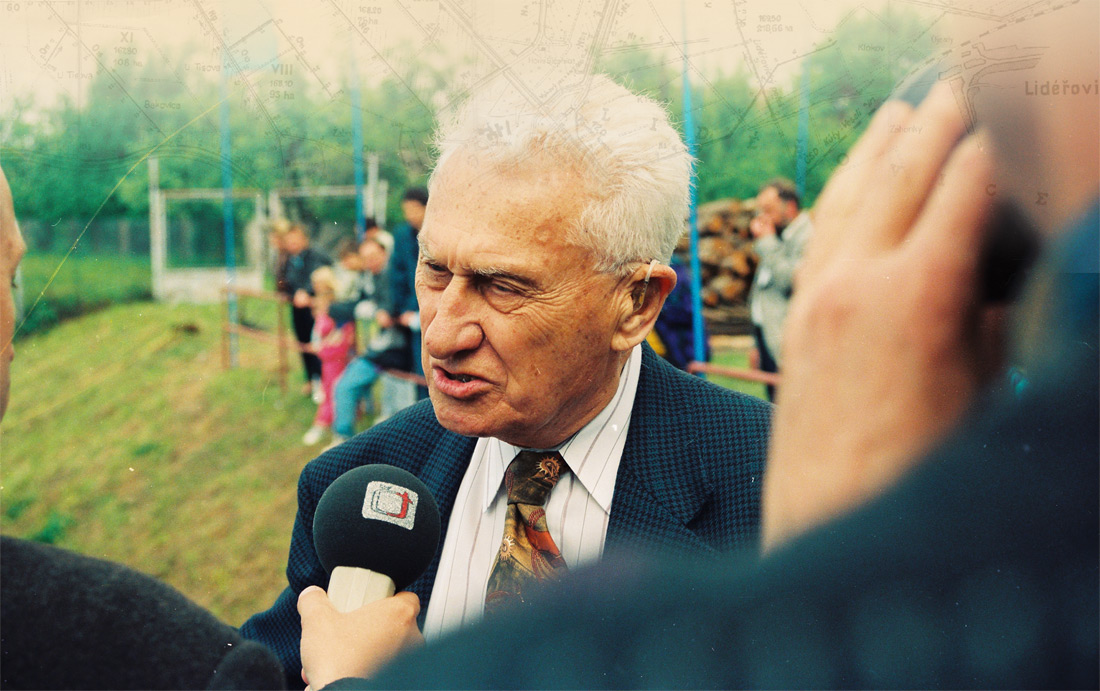
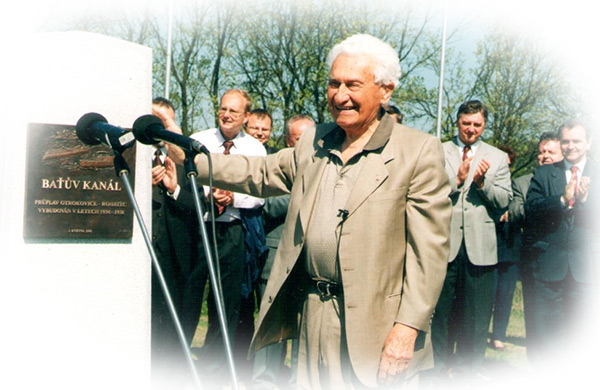
The season began on 1 May with a great ceremony in Petrov. Attended by Tomáš Baťa junior with his wife as well as by representatives of state administration, self-government and the public, the ceremony opened the repaired lock in Petrov, meaning the last reconstructed lock on the renewed Baťa Canal.
Tomáš Baťa also unveiled an obelisk remembering this event. The ceremony also opened the landing place in front of the lock.
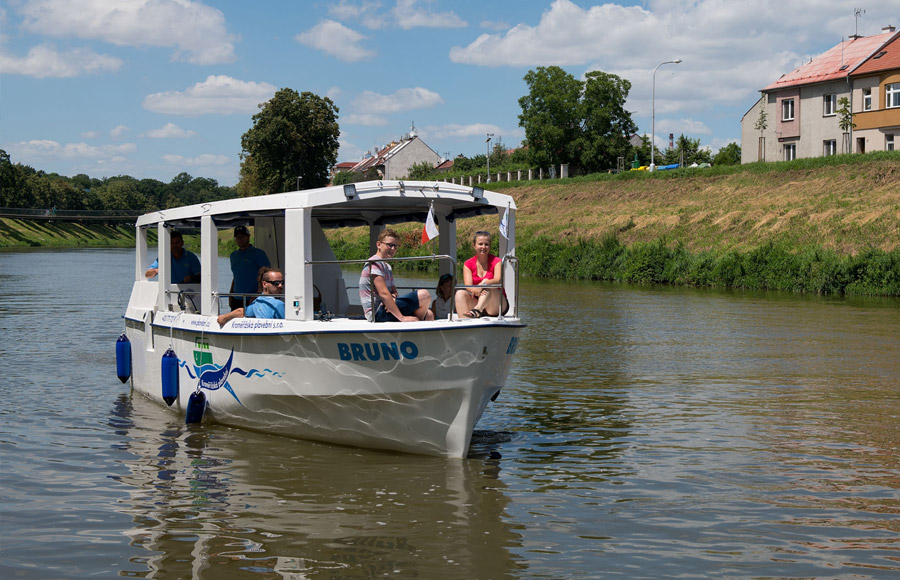
Ship Bruno
Kroměříž
A small excursion ship operating on the Morava River near Kroměříž. The ship offers two-hour cruises from Kroměříž towards Kvasice and back. Capacity approx. 12 persons. The ship is not barrier-free.
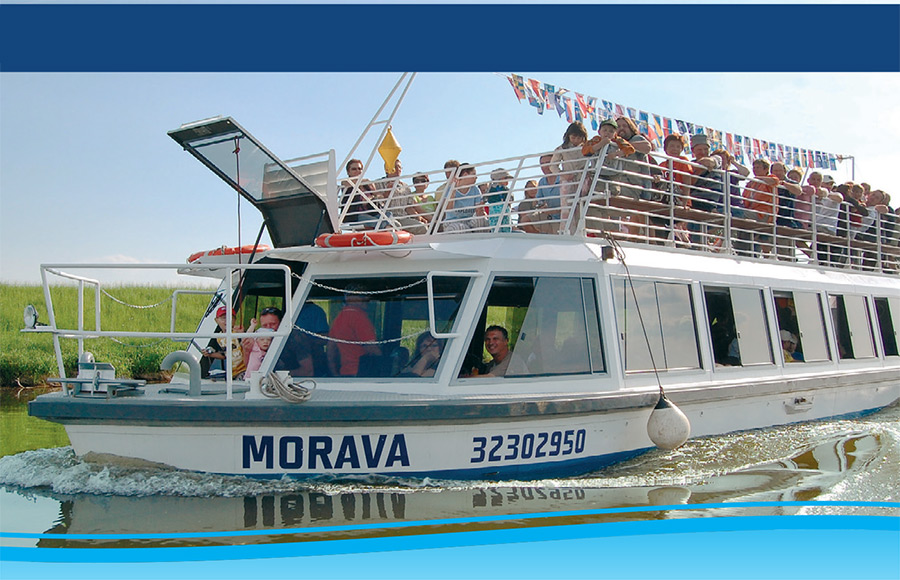
Ship Morava
Spytihněv – Napajedla – Otrokovice
An excursion ship with a capacity of approx. 58 persons. It operates regular cruises on the route Spytihněv – Napajedla Pahrbek – Napajedla centre – Otrokovice and back. In summer months also Friday cruises with wine tasting. The ship is barrier-free and equipped with a toilet. Dogs, cats and other animals are not transported.
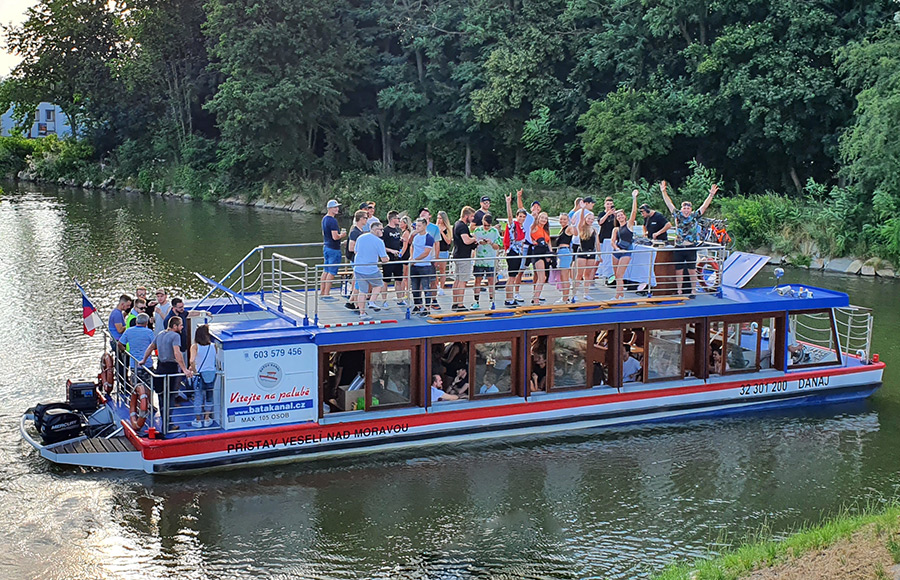
Ship Danaj
Veselí nad Moravou – Strážnice – Uherský Ostroh
A high-capacity excursion ship for 60 persons. It operates regular cruises from Veselí nad Moravou – two-hour cruises through the artificial canal and the Morava River, full-day trips to Strážnice and cruises to Uherský Ostroh. The ship is barrier-free and equipped with a toilet. Small dog breeds are allowed on board.
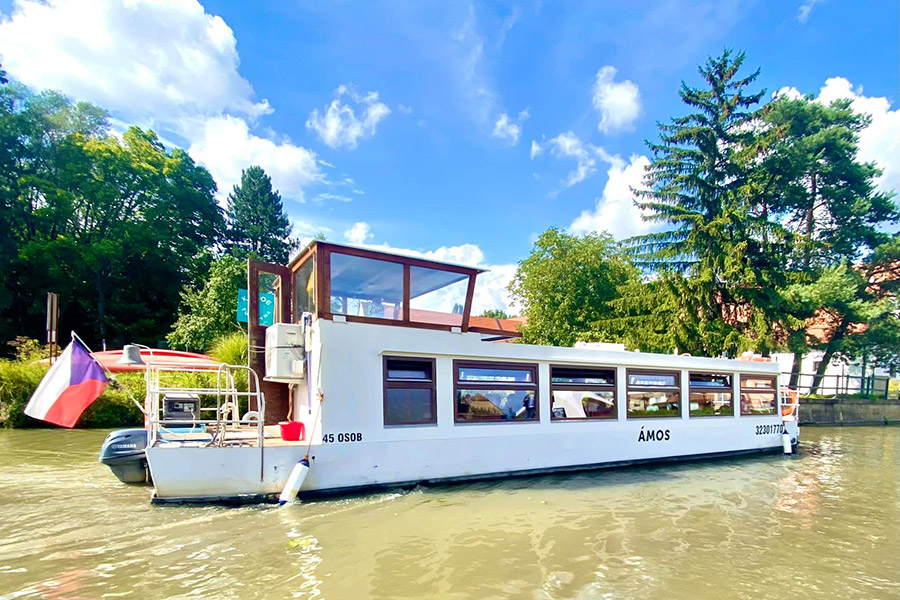
Ship Ámos
Strážnice
An excursion ship operating one-hour sightseeing cruises with a guide around Strážnice. During the season it departs daily at 11:00 and 15:00, if there is high demand every additional hour. The ship is barrier-free and equipped with a toilet. Dog transport is possible only with a muzzle.
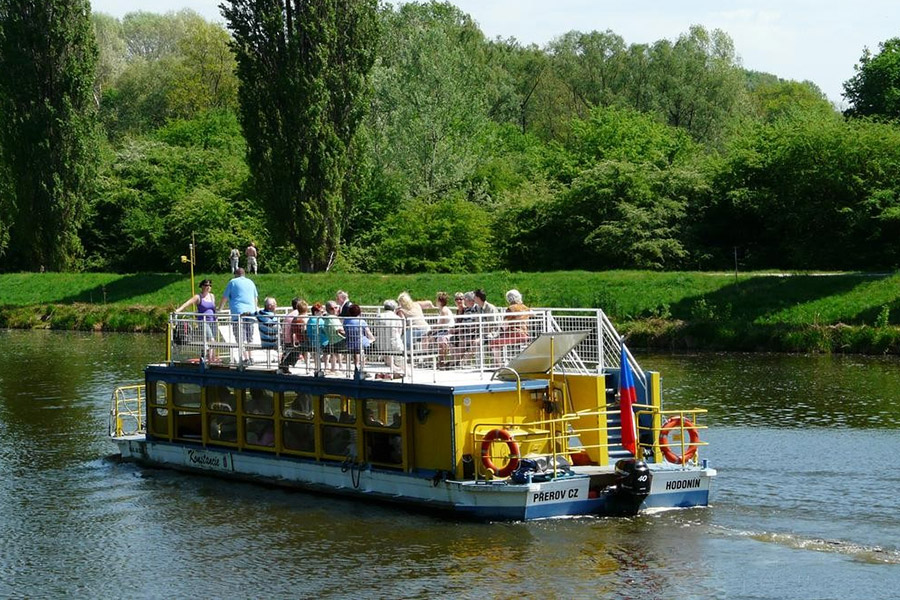
Ship Konstancie
Hodonín – Perunská lůka – Rohatec
An excursion ship operating regular cruises from Hodonín towards Perunská lůka, Rohatec and the mouth of the Baťa Canal. During the summer season it departs daily every hour from 11:00 to 18:00. The ship is barrier-free and equipped with a toilet.